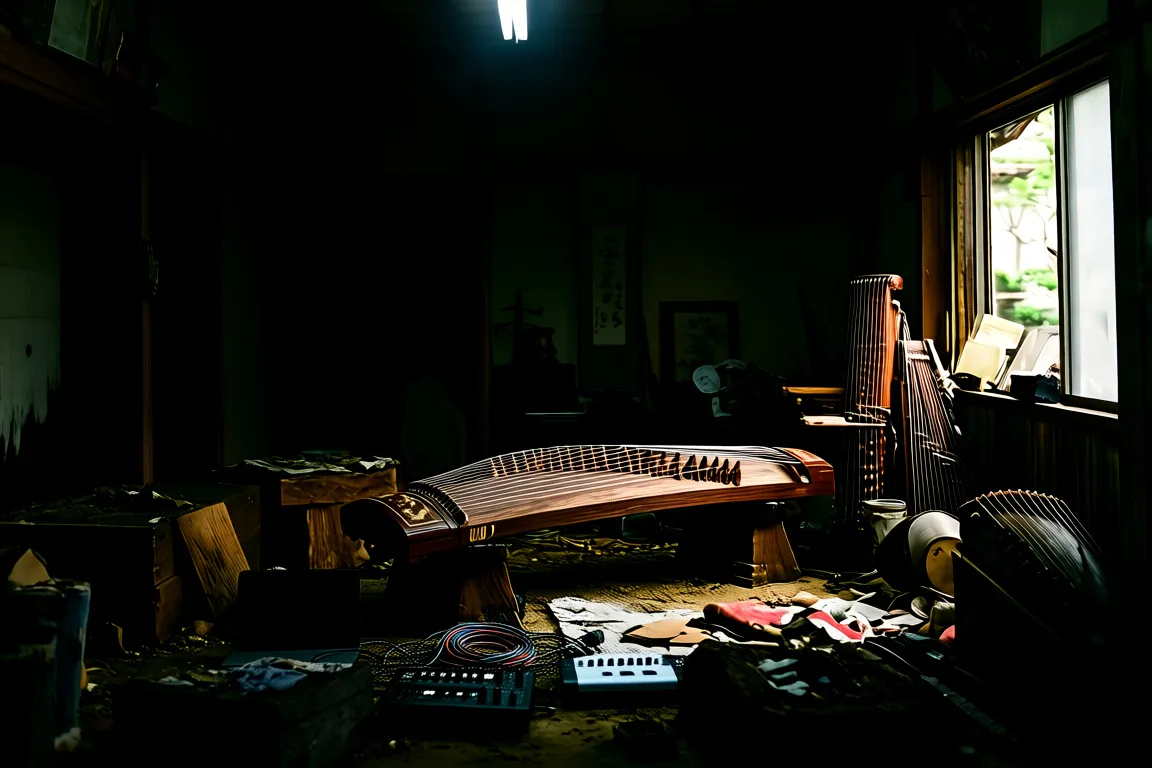
Traditional Instruments Meet Modern Grooves in Japan
If you produce or listen for new textures, start here. Japanese musicians have been laying shakuhachi, koto, and taiko over house, hip-hop, and techno for years. The results sit in clubs from Shibuya to Osaka without feeling forced.
Where the Sounds Actually Work
Most tracks keep the traditional instrument dry and upfront. The groove sits underneath at 95-110 BPM so the pluck or breath stays clear. In Tokyo sessions last year, producers recorded one clean take of the instrument then built the beat around it instead of the other way around.
- Shakuhachi breath fits trap hats and low 808s because the air gives space between kicks.
- Koto strings cut through four-on-the-floor when you leave the original tuning.
- Taiko hits replace or double snares in broken-beat tracks.
Instruments and Their Groove Roles
| Instrument | Common modern use | Example setting |
|---|---|---|
| Shakuhachi | Lead melody over half-time drums | Lo-fi hip-hop beat at 85 BPM |
| Koto | Arpeggiated hook | Techno track with rolling bass |
| Shamisen | Staccato chops | Trap drop after vocal hook |
| Taiko | Percussion layer | Funk groove with live kit |
Build One Fusion Track in Five Steps
- Record or license a short phrase from the instrument. Keep it 4-8 bars.
- Chop the phrase into single notes or short motifs on your sampler.
- Place the first note on beat one, then let the rest follow the groove’s swing.
- Side-chain the instrument slightly to the kick so it breathes with the drums.
- Leave the final bar empty. The space makes the next entrance hit harder.
Tracks You Can Reference
Listen to Omodaka’s “Koi” for shamisen over driving techno. DJ Krush’s early albums show shakuhachi sitting inside dusty hip-hop loops. More recent, the Kyoto band Geinoh Yamashirogumi layers taiko directly into electronic sets at local warehouses. Pull these up in your DAW and solo the traditional parts to hear how they sit against the drums.
Where to Hear It in Person
Check weekend events at Tokyo’s Contact or Osaka’s Circus. Many nights feature one live traditional player alongside a DJ set. Bring a small recorder if the venue allows. You will catch how room reverb changes the instrument’s attack against the PA.