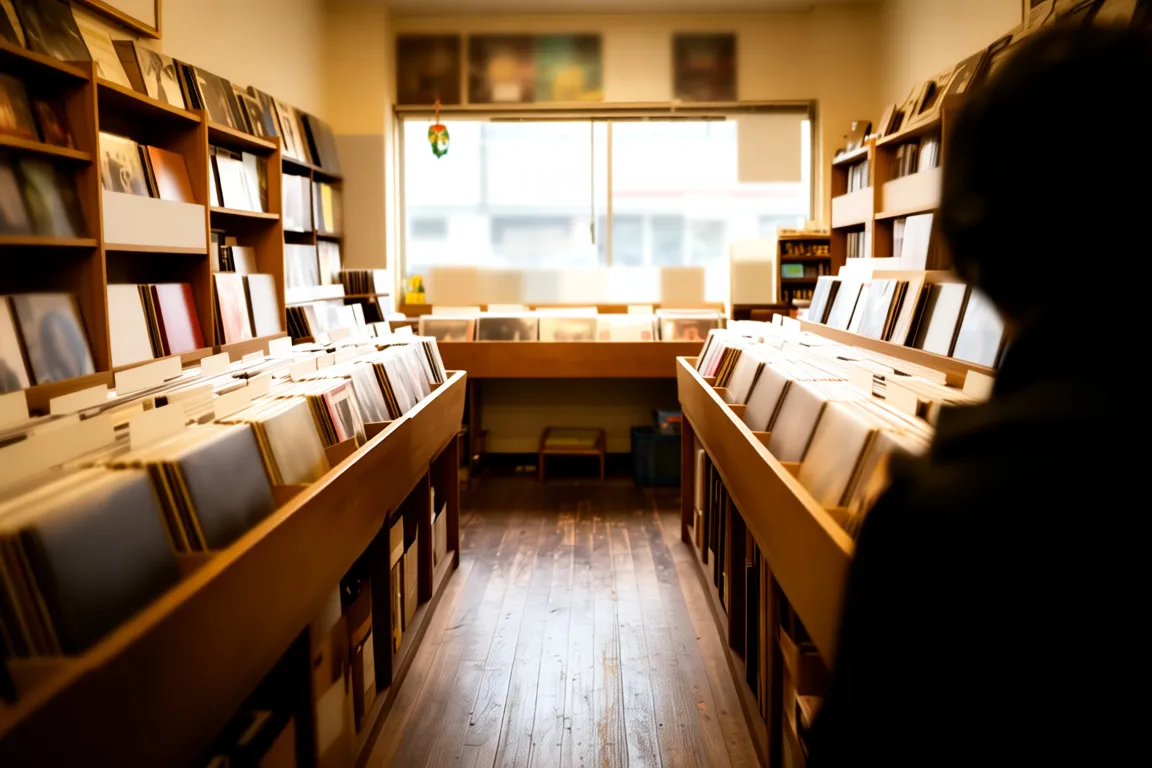
Vinyl Revival: Why Record Shops Are Thriving in Japan’s Music Scene
Record shops in Japan keep growing because buyers want physical copies they can hold and because the shops themselves give real service you rarely find online.
Why the Shops Stay Busy
City pop reissues sell out fast. Collectors still chase original pressings of 1970s jazz and rock. Young buyers walk in after discovering an album on streaming and leave with two or three LPs plus a turntable needle.
Many stores added listening stations and small cafes. People stay longer, talk to staff, and come back the next month.
Neighborhoods Worth Checking First
- Shimokitazawa: narrow streets, dozens of small shops, strong selection of indie and used rock.
- Koenji: lower prices, good punk and experimental sections, fewer tourists.
- Shibuya: bigger stores like Disk Union branches, easy to reach by train, wide range of new and used titles.
Steps for Your First Store Visit
- Look up the shop on Google Maps the night before and note the exact exit from the station.
- Carry cash. A few places still do not take cards for small purchases.
- Ask the staff for recommendations once you name two or three artists you like. They usually pull something you have not heard.
- Check the condition notes on used records before you pay. Staff will play a side if you ask.
What You Actually Find on the Shelves
| Genre | Typical Price Range (yen) | Example Title Often in Stock |
|---|---|---|
| City Pop | 2,800 to 4,500 | Tatsuro Yamashita reissues |
| Jazz | 1,800 to 6,000 | Original Blue Note pressings |
| Indie Rock | 2,200 to 3,800 | Japanese pressings of Western bands |
How Regulars Keep Costs Down
Most serious buyers wait for the monthly sale bins that drop prices by 20 to 30 percent. They also trade in records they no longer play and use the credit toward new finds the same day.
Bring a small notebook. Write down artist names you see often so you can search them online later and compare prices before the next trip.