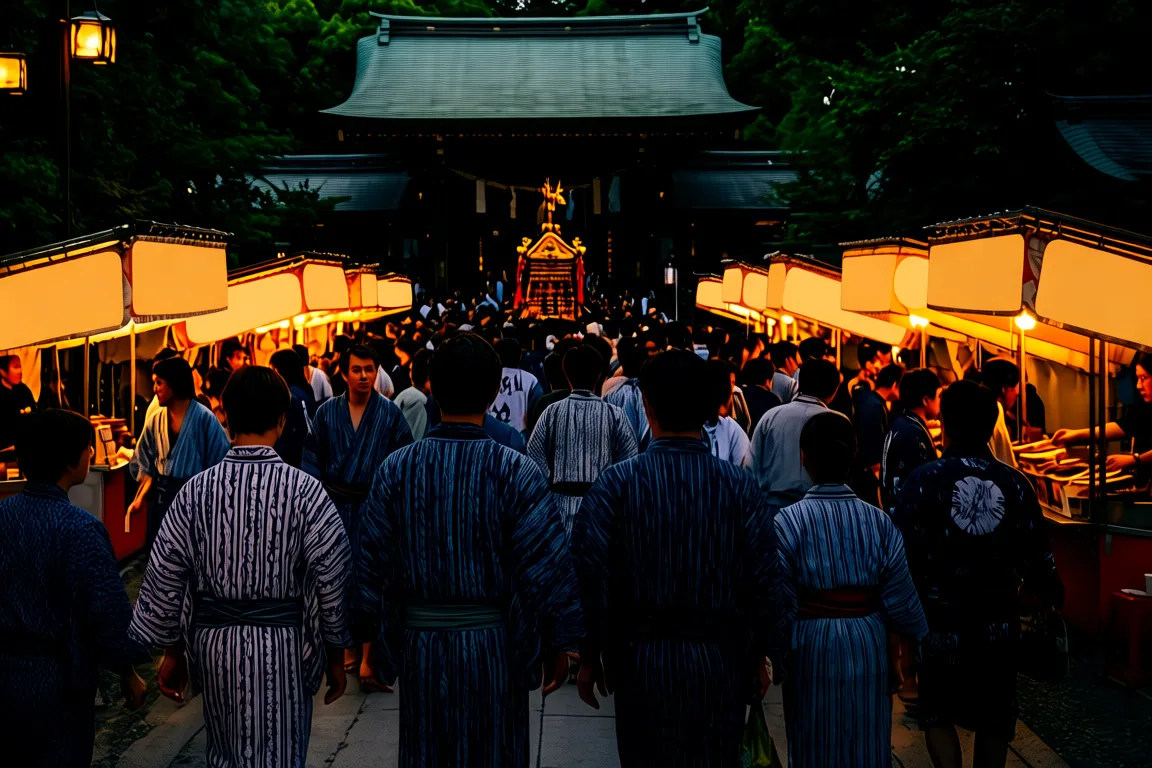
How to Navigate Japan’s Festival Circuit: Tips for First-Timers
Japan’s matsuri run from spring through autumn. If this is your first time, focus on one solid event rather than trying to hit three cities in a week.
Choose a Festival That Matches Your Dates and Energy
Big ones like Kyoto’s Gion Matsuri draw huge crowds in July. Smaller ones in regional towns often feel easier to manage. Check the exact dates on the local tourism site because they shift slightly each year.
| Festival | Month | Crowd level | Good for |
|---|---|---|---|
| Gion Matsuri, Kyoto | July | Very high | First-timers who like processions |
| Awa Odori, Tokushima | August | High | Dance and evening energy |
| Nebuta, Aomori | August | Medium | Floats and shorter walks |
Pack for a Full Day on Your Feet
Most events last from morning into the night. Bring these items and you will stay comfortable longer.
- Light rain jacket that packs small
- Portable phone charger
- Comfortable shoes you have already broken in
- Cash in small bills for food stalls
- Small towel for wiping sweat or hands
Skip the big backpack. It gets in the way of other people and blocks narrow shrine paths.
Move Through the Day in Simple Steps
- Arrive an hour before the main parade starts so you can pick a viewing spot without pushing.
- Walk the side streets first to find food stalls before the biggest lines form.
- Follow the locals when they clap or chant. That is usually the right rhythm.
- Leave before the final big crush at the train station if you have an early shinkansen.
Eat What the Stalls Actually Sell
Try the grilled squid at Gion or the tokushima ramen after Awa Odori. Both taste better hot and standing up. If you see a line of Japanese families, that stall is usually reliable. Carry wet wipes because the sauces drip.